Reporting & OEE: Answers That Are Already There
Manufacturing data is being collected. The problem is getting it into to the teams.
Most manufacturers are not short on data. PLCs are logging events. Operators are entering values. Systems are recording timestamps, counts, measurements, and states continuously across every shift.
The problem is access. The data lives in different systems, in different formats, at different levels of detail — and assembling it into something a process engineer or plant manager can act on requires effort that often doesn't happen until something goes wrong.
By then, the window for correction has already closed.
Reporting as a Feedback Loop
Effective manufacturing reporting is not about producing documents. It is about creating a closed loop between what the process is doing and the decisions being made about it — so that improvement is continuous, not reactive.
That loop only works when reports are timely, accurate, and built around the questions that actually matter:
- Is this process performing within spec — and where is it drifting?
- Where is time being lost, and what is causing it?
- What changed between the last good run and the current one?
- Which products, lots, or shifts are outliers — and why?
Factory Data Systems designs and builds reporting solutions around those questions — pulling from the data sources your plant already has, organizing it into structured, queryable form, and delivering it in the format and cadence your team needs.
OEE and Production Performance
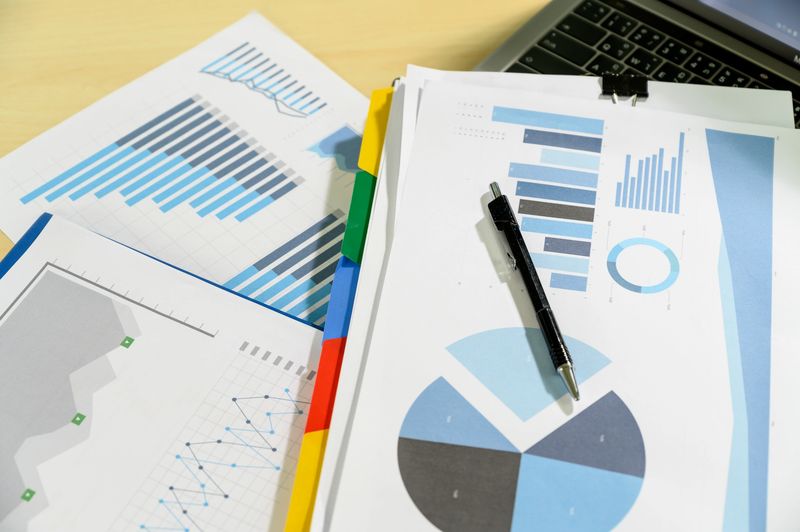
OEE is one of the most widely cited manufacturing metrics and one of the least actionable in practice — because a single availability, performance, and quality number tells you a score, not a cause.
Useful OEE reporting connects the metric to its drivers: equipment state timelines, downtime events and their reasons, production counts by shift and product, throughput loss, and quality loss by type. When that data is structured and accessible, the question shifts from "what is our OEE?" to "where specifically is the time going, and what is causing it?"
That is the level of reporting that drives improvement.
Delivery That Fits Your Operation
Reports are only useful if the people who need them receive them in a way they can act on. Factory Data Systems builds reporting solutions that deliver to the right people, in the right form, at the right time — whether that means scheduled exports, event-triggered notifications, web-based dashboards, or formatted documents distributed by email or shared drive.
The format follows the use case. A production summary for a shift manager is a different artifact than an OEE trend for a process engineer or a traceability report for a quality audit. We build each one around how it will actually be used.
Connected to Your Manufacturing Data
Reporting built on IntelliTrack™'s attribute-level manufacturing record is especially powerful — because the underlying data is already structured, per-product, per-operation, and per-event. That means reports can answer specific questions about specific products, runs, lots, and process conditions rather than summarizing aggregates and hoping the right signal is visible.
If your manufacturing data exists but isn't being used to drive decisions, reporting is where that changes.
Contact Factory Data Systems to discuss what your team needs to see — and how to get it there.